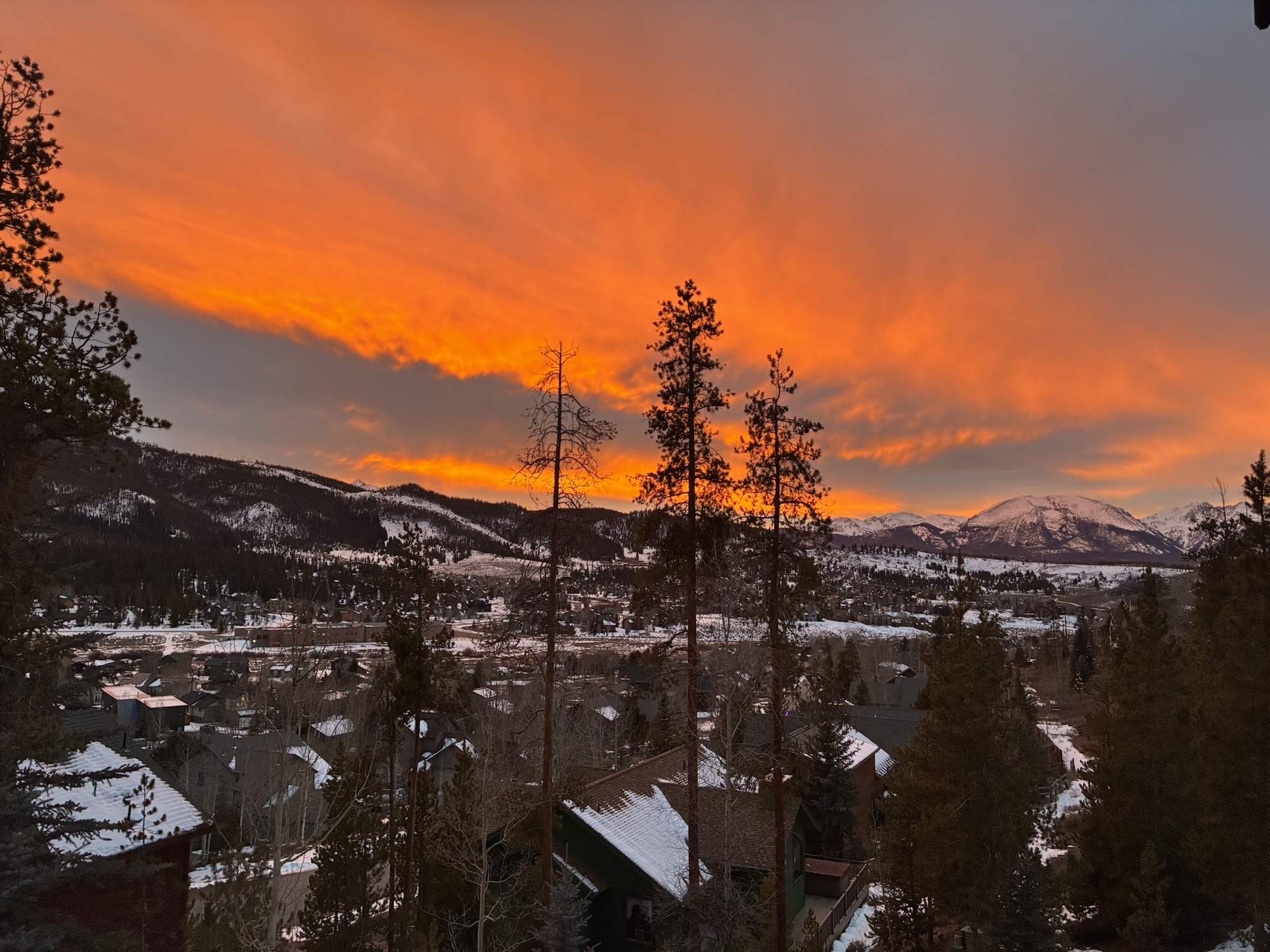
Snowfall’s Sparkle
Ah, Breckenridge – where the snow typically falls like confetti at a birthday bash, and luxury homes gleam brighter than fresh powder under a Colorado sun. As a realtor in Summit County, I’ve seen firsthand how Mother Nature’s winter wardrobe can turn a quaint mountain town into a hotbed for high-end real estate. But let’s not bury the lede: snowfall isn’t just about epic ski days; it’s a key driver in boosting property values across Breckenridge and its surrounding gems like Frisco, Silverthorne, and Keystone. In this post, we’ll unpack the frosty facts, sprinkle in some data-driven insights, and explore why investing here feels less like a gamble and more like hitting the jackpot on a black diamond run.
The Powder Power of Breckenridge Snowfall
Picture this: You’re sipping cocoa by a roaring fire, gazing out at the Tenmile Range blanketed in white. Breckenridge boasts an average annual snowfall of around 300 inches – that’s over 25 feet of fluffy goodness each year. With about 75 snowy days on average, the town transforms into a winter wonderland from late October through May, sometimes even flirting with flakes year-round. And let’s not forget those 300 days of sunshine that make the snow sparkle like diamonds – because who wants powder without the polish?
This consistent snowfall isn’t just Instagram fodder; it’s the lifeblood of Breckenridge’s economy. Ski enthusiasts flock here for the world-class slopes at Breckenridge Ski Resort, which often opens mid-November and runs through Memorial Day. Heavier snow years create a positive demand shock for properties near the lifts, drawing buyers who crave that ski-in, ski-out lifestyle. In fact, investments in snowmaking technology have extended the season, ensuring even lighter years don’t dampen the appeal – or the property values.
Spreading the Snow Wealth: Surrounding Summit County Areas
Breckenridge might steal the spotlight, but the snowfall magic ripples out to neighbors in Summit County. Take Frisco, the “Main Street of the Rockies,” where Lake Dillon freezes into a picturesque ice rink, and average snowfalls mirror Breck’s hefty dumps. Properties here benefit from the proximity – think luxury condos with views that could make a postcard jealous, often seeing value spikes tied to winter tourism.
Silverthorne, with its outlet malls and Blue River access, gets its share of the white stuff too, averaging similar snowfall patterns. It’s a haven for those seeking a slightly more subdued vibe, yet still within striking distance of the slopes.
Keystone Resort, just a hop away, adds to the allure with its own impressive snow stats, driving demand for high-end homes that double as vacation rentals.
Across the county, snowfall fuels a tourism boom that supports local businesses, from cozy eateries to gear shops. This economic snowball effect keeps property values climbing, with luxury segments ($1M+) leading the charge. In 2025, Summit County saw expanded inventory but steady sales in premium properties, proving that even in fluctuating markets, the draw of reliable winters holds strong.
Crunching the Numbers: Luxury Property Trends Tied to Snow
Now, for the part where we talk dollars – because in real estate, snow translates to serious green. In Breckenridge, the average sales price for residential properties hovered around $1.76 million in 2025, with luxury homes over $3 million showing resilience and even growth in sales volume. Summit County as a whole reported a median price of about $885K for homes, but the luxury market ($1M+) dominated with 123 transactions totaling $363 million.
Why the link to snowfall? Simple: Abundant powder draws affluent buyers seeking year-round playgrounds. Studies show heavy snowfall positively impacts home prices in ski towns by increasing desirability and rental potential. Luxury buyers, in particular, prioritize ski-access neighborhoods like Shock Hill or Timber Trail, where values have appreciated steadily – think 63% since pre-pandemic levels in some segments.
And here’s a fun fact: While the overall market saw a slight 0.6% dip in home values to $1.17 million, the high-end held firm, with ski-in/ski-out properties commanding premiums. It’s no wonder – who wouldn’t pay top dollar for a home where your backyard is basically a private piste?
Why Snow Means Serious Investment Potential
In ski towns like ours, snowfall isn’t just weather; it’s wealth. Robust winters boost tourism by 20-30% in peak years, filling hotels, restaurants, and short-term rentals – all of which elevate property demand. For luxury clients, this means strong ROI through appreciation and rental income. I’ve helped multi-million-dollar buyers secure homes that not only serve as family retreats but also generate revenue during the season.
Of course, we’re honest about variability – and right now, the 2025-2026 winter season is a prime example. Colorado is experiencing record-low snowpack levels, with statewide snow water equivalent (SWE) hovering around 55-60% of normal in recent months and dipping back into record-low territory as of early March 2026 (per NRCS data, currently at about 8.1 inches SWE, below previous lows). Summit County and the central mountains have felt this keenly, with warm, dry conditions limiting natural accumulation. Lighter snow years can temper short-term bookings, as seen with dips in reservations this season.
But Breckenridge’s resilience shines through: Advanced snowmaking at the resort has kept prime terrain open and the vibe alive, mitigating impacts on tourism and maintaining property appeal. Our market isn’t one-trick-pony winter-dependent; summer hiking, festivals, and year-round mountain lifestyle keep demand steady. Even in this challenging season, luxury segments have shown remarkable holding power compared to other resort areas.
Wrapping Up on a High Note
In the end, snowfall in Breckenridge and Summit County isn’t just a seasonal treat – it’s the secret sauce that keeps luxury real estate sizzling, even when the flakes are sparse. Whether you’re eyeing a slopeside chalet or a lakeside estate, the combination of epic (average) winters, stunning scenery, smart infrastructure like snowmaking, and a diversified four-season appeal makes this area a perennial winner. As we look ahead, the market’s stability and growth potential have me more excited than a kid on a snow day—because history shows these mountains always deliver, one way or another.


Leave a Reply